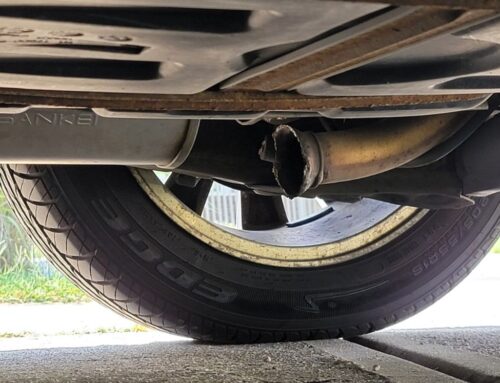

Many car owners feel frustrated when their vehicle sounds too loud, too flat, or simply unpleasant. Choosing between a muffler and a resonator often creates confusion because both parts deal with exhaust noise but in different ways.
Understanding the difference between muffler and resonator is the key to deciding whether you want a quieter ride, a sportier tone, or a balance of both.
The difference between muffler and resonator lies in their purpose. A muffler lowers overall exhaust noise by blocking and canceling sound waves, while a resonator refines specific frequencies to smoothen and tune the tone. Mufflers silence volume, resonators shape character.
Difference Between Muffler And Resonator – A Quick Overview
The difference between muffler and resonator comes down to noise control versus sound refinement. A muffler reduces the loudness of exhaust gases by using chambers and baffles to block noise, which makes it essential for legal compliance.
A resonator, however, fine-tunes the exhaust note by removing harsh tones and drone, creating a smoother and more pleasant sound. Mufflers handle overall volume, while resonators focus on tonal quality.
Together, they create a balanced exhaust system that offers both comfort and character on the road.
Trusted Muffler Installation in Phoenix, Arizona by Apache Muffler
If you live in Phoenix and want your car to sound better, run smoother, and stay within legal noise limits, Apache Muffler is here for you.
Our team specializes in professional muffler installation that keeps your vehicle quiet and reliable on the road. We know Arizona drivers care about performance and comfort, so we provide solutions that match both.
Whether you need a replacement muffler or an upgrade for a cleaner, deeper tone, we’ve got the experience to do it right.
Locals trust us because we combine expert service with honest pricing and dependable results. Don’t settle for a noisy or inefficient exhaust system, choose a shop that truly cares about your drive.
Call us today at (480) 964-9272 or visit our Contact Us page to schedule your installation with Apache Muffler.
What is a Muffler
A muffler is a key part of a car’s exhaust system, designed to lower the loud sounds created by engine combustion. It ensures the car runs within legal noise limits while improving the driving experience.
Without a muffler, the vehicle would sound harsh and unpleasant, often leading to fines or violations of local laws.
Beyond noise control, mufflers also affect backpressure, which can play a role in performance and efficiency.
While not primarily a performance tool, the design and quality of the muffler influence both comfort and the car’s character on the road.
Features
Mufflers come with distinct characteristics that make them essential in exhaust design:
- Noise reduction through sound-dampening chambers
- Durable construction with stainless steel or aluminized steel
- Heat resistance to withstand extreme temperatures
- Improved driving comfort by lowering engine roar
- Customizable sound tuning depending on the design
How Does a Muffler Work
A muffler works by channeling exhaust gases through a series of chambers and perforated tubes. These chambers reflect and cancel sound waves, making engine noise softer and less aggressive. The design uses acoustic principles like destructive interference, where sound waves cancel each other out.
Inside, baffles, partitions, and insulation materials help absorb unwanted frequencies. This process allows a balance between noise reduction and maintaining acceptable exhaust flow so the engine can breathe efficiently.
Types of Muffler
Mufflers come in various designs, each with unique sound and performance characteristics.
Chambered Muffler
A chambered muffler uses a system of carefully designed chambers to control how sound waves bounce and interact. By redirecting exhaust pulses, it cancels unwanted frequencies and creates a deeper exhaust note. This style is a favorite for muscle cars and classic performance builds because it delivers a bold, throaty rumble. While it lowers the noise, it keeps the aggressive tone alive. Drivers who want character in their exhaust without excessive volume often choose this type.
Turbo Muffler
A turbo muffler relies on perforated tubes wrapped in sound-absorbing material. Exhaust gases pass through multiple turns, allowing noise to be absorbed while still flowing smoothly. It offers a quieter ride compared to performance-oriented mufflers, making it a popular OEM choice. Turbo mufflers strike a balance between comfort and efficiency. They are ideal for daily driving, where quietness and reliability are priorities.
Straight-Through Muffler
The straight-through muffler, often called a glasspack, provides the least restriction. It has a direct perforated tube surrounded by sound-absorbing packing, letting exhaust gases pass with minimal resistance. This design boosts performance by reducing backpressure, making it common in racing or performance setups. The trade-off is a louder, sometimes raspy sound that may not suit all drivers. Enthusiasts who value horsepower gains often favor this design.
Performance Muffler
A performance muffler combines advanced engineering with sound tuning to offer both power and style. Built with free-flowing designs, it minimizes backpressure while maintaining a refined tone. Many feature modern materials and innovative layouts to withstand heat and deliver long-lasting performance. These mufflers appeal to enthusiasts who want extra horsepower without unbearable noise. They offer a strong mix of functionality and aggressive sound control.
Benefits
Mufflers offer practical and comfort-driven advantages:
- Reduced engine noise for a smoother ride
- Compliance with local noise regulations
- Enhanced comfort for passengers and neighbors
- Improved vehicle aesthetics with polished tips
- Ability to fine-tune exhaust tone for desired sound
Cons
While beneficial, mufflers also come with certain limitations:
- Can restrict exhaust flow in cheaper models
- Reduced engine efficiency in some designs
- Performance cars may lose aggressive sound
- Replacement and upgrades can be costly
What is a Resonator
A resonator is another important part of the exhaust system, but its role is different from the muffler. Instead of reducing overall noise, the resonator tunes and refines the sound frequencies that pass through it.
By altering exhaust sound waves, it removes harsh or unwanted tones, creating a cleaner, more pleasant exhaust note. Resonators are often called “pre-mufflers” since they prepare the sound before it reaches the muffler.
Features
Resonators stand out because of their specialized features:
- Tone tuning to eliminate harsh frequencies
- Optimized airflow for smoother exhaust flow
- Durable construction for heat and pressure resistance
- Lighter weight compared to mufflers
- Improved harmony between engine and muffler output
How Does a Resonator Work
A resonator functions by using chambers that reflect certain sound frequencies. Instead of silencing all noise, it focuses on unwanted tones like rasp or drone. This creates a smoother, more refined sound.
The resonator modifies sound waves through resonance, amplifying some while canceling others. The result is a balanced exhaust tone that pairs perfectly with the muffler.
Types
Resonators vary in construction and purpose, offering flexibility for different vehicles.
Chambered Resonator
A chambered resonator shapes exhaust tone by using carefully tuned chambers. Instead of lowering all noise, it removes sharp or high-pitched frequencies, leaving a smoother, fuller sound. This type is common in cars aiming for a more refined exhaust character without losing energy. It improves the harmony between engine pulses and muffler output. Drivers appreciate the balance it provides between sporty tone and comfort.
Glasspack Resonator
The glasspack resonator is similar to a straight-through muffler but focuses more on tonal control. With fiberglass or packing material around a perforated tube, it filters unwanted frequencies and reduces harshness. Glasspack resonators are louder than chambered versions, often producing a sportier tone. They are popular in performance builds where a raw but less raspy sound is desired. Their simplicity makes them affordable and easy to install.
Inline Resonator
An inline resonator is installed directly along the exhaust pipe and targets specific problem frequencies. It is especially effective against drone that occurs at certain RPM ranges, often during highway cruising. By refining the tone, it adds comfort for drivers and passengers on longer trips. Inline resonators are compact and can be added without major modifications. They are a practical choice for those who want to fine-tune exhaust character.
Performance Resonator
A performance resonator is designed with enthusiasts in mind, offering precise sound tuning without restricting airflow. These resonators often use advanced acoustics to cut drone and rasp while letting the engine breathe freely. They pair well with performance mufflers to create a clean, aggressive, and refined exhaust note. Unlike basic models, they focus on enhancing the driving experience as much as comfort. For drivers who want sound quality and power together, this type is the go-to option.
Benefits
Resonators improve sound quality and enhance driving pleasure:
- Cleaner and deeper exhaust sound
- Elimination of rasp and drone
- Complementary effect with muffler for ideal tone
- Enhances sporty or luxury character of the vehicle
Cons
Despite advantages, resonators have some drawbacks:
- Do not reduce overall noise level
- Limited effect without a muffler
- May slightly reduce exhaust flow
- Adds cost when upgrading the system
Major Differences Between Muffler and Resonator
Understanding the difference between muffler and resonator is crucial for selecting the right setup.
Primary Purpose
The muffler’s primary purpose is to cut down the overall noise levels produced by the engine. It ensures the car operates within legal noise limits while making the ride more comfortable for drivers and passengers.
The resonator, on the other hand, focuses on refining sound quality. Rather than lowering volume, it smooths out harsh tones and creates a more pleasant exhaust note. Together, they serve different but complementary roles in shaping how a vehicle sounds.
Function in the System
A muffler is usually installed at the very end of the exhaust system, where it silences sound before gases exit the tailpipe.
The resonator sits upstream, typically just before the muffler. This placement allows the resonator to adjust sound frequencies first, preparing them for final reduction by the muffler.
The arrangement creates an efficient partnership, ensuring the exhaust tone is both controlled and refined.
Impact on Performance
Mufflers often include chambers and baffles that can slightly restrict airflow. While this reduces noise, it may cause a minor loss in performance for some vehicles.
Resonators, however, generally work to enhance airflow harmony without cutting overall volume dramatically.
By reducing unwanted frequencies and smoothing gas flow, resonators may even help improve efficiency in specific setups. This makes them a better choice for tuning sound without sacrificing engine performance.
Sound Influence
The muffler works across all frequencies to reduce noise volume as much as possible. It acts like a filter, quieting everything from deep rumbles to higher-pitched sounds.
The resonator, instead of lowering overall levels, zeroes in on harsh or unpleasant tones such as rasp or drone.
By fine-tuning the sound signature, it delivers a cleaner and smoother exhaust note. This makes the driving experience feel more refined and enjoyable.
Design and Construction
Mufflers are typically larger and bulkier, built with chambers, baffles, and insulation to trap and cancel noise. Their complex structure is designed for maximum suppression.
Resonators are often slimmer, with simpler chamber designs focused on tuning frequencies rather than reducing volume.
Because of this, they weigh less and are easier to integrate into performance setups. Each design matches its purpose: silence for mufflers, tone refinement for resonators.
Necessity
In most regions, having a muffler is a legal requirement to meet noise regulations. Cars without one are often considered too loud for road use and may face fines.
Resonators, however, are not mandatory. They are optional upgrades chosen by drivers who want more control over exhaust tone.
While mufflers ensure compliance, resonators enhance personalization for enthusiasts who value sound quality.
Effect on Driving Experience
A muffler ensures quiet comfort, making long drives more peaceful and reducing fatigue caused by excessive noise. It’s especially valuable in urban settings where noise levels need to remain controlled.
A resonator, by contrast, shapes the tone to feel smoother and more balanced. It removes drone at highway speeds and adds a refined edge to sporty cars. When combined, they deliver both quietness and sound character, enriching the overall driving experience.
Do You Need Both?
Whether you need both depends on your driving needs and preferences.
For many vehicles, a muffler alone is enough to stay compliant with laws and provide quiet operation. Everyday drivers focused on comfort usually find this setup sufficient.
However, in situations where the exhaust tone feels harsh or droning, adding a resonator improves the driving experience. It creates a smoother, sportier, or more refined sound, ideal for enthusiasts.
For car owners seeking a balance of comfort and character, using both muffler and resonator is the best solution. This ensures legal compliance while tailoring the exhaust note to match the personality of the vehicle.
Summing Up
Understanding the difference between muffler and resonator helps you choose the setup that best matches your driving needs.
If your priority is quiet comfort and meeting legal requirements, a muffler alone may be enough.
If you want a more refined tone without losing power or character, adding a resonator is a smart choice.
Together, they ensure your car sounds balanced, feels comfortable, and reflects your style on the road.