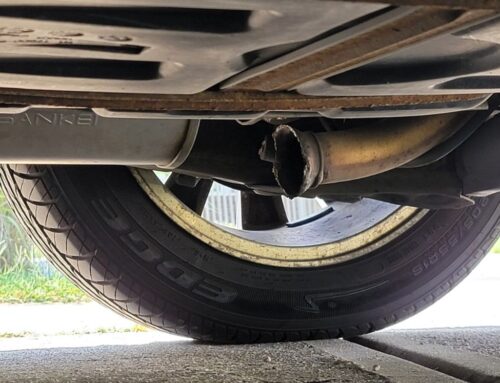

Drivers often wonder if removing the muffler is worth it. The promise of more sound and performance sounds tempting, but many are worried about whether it will hurt fuel efficiency.
Understanding this balance between style, practicality, and cost is key before making changes to your car’s exhaust system.
Does a Muffler Delete Affect Gas Mileage? A muffler delete can sometimes reduce gas mileage, but the effect is usually small. In performance-focused vehicles, it may slightly improve efficiency, while in modern daily drivers, it often leads to little to no gain and may even lower fuel economy if aggressive driving habits follow the louder sound.
Does A Muffler Delete Affect Gas Mileage – A Brief Overview
A muffler delete has only a small impact on fuel efficiency for most vehicles. While it can reduce backpressure and create a freer exhaust flow, the gains in mileage are rarely noticeable in everyday driving.
Some performance cars may benefit slightly, but many modern engines are tuned with the muffler in place for optimal balance.
In fact, drivers often push the car harder because of the louder sound, which can use more fuel rather than less.
For most people, the change in gas mileage is minor, with the bigger difference being in sound and legal considerations rather than efficiency.
Expert Muffler Services in Phoenix, Arizona with Apache Muffler
If you’re in Phoenix, Arizona, and want reliable muffler installation or maintenance, Apache Muffler is here to help.
Our team understands how important performance, sound, and fuel efficiency are to local drivers. We don’t just replace or repair parts. We make sure your vehicle runs smoothly and delivers the driving experience you want.
Customers across Phoenix trust us because we combine expert knowledge with honest, friendly service.
Whether you’re considering a muffler delete, need a new muffler, or want regular exhaust maintenance, you’ll find the right solution here.
Call us today at (480) 964-9272 or visit our Contact Us page to book your appointment and keep your car running at its best.
What is a Muffler Delete
A muffler delete is a modification that removes the muffler from your vehicle’s exhaust system. The muffler’s primary job is to reduce engine noise by dampening sound waves produced during combustion. When you delete it, the car’s exhaust gases exit more directly, making the engine sound louder and more aggressive.
Drivers choose this modification for several reasons. Some love the raw sound it creates, others believe it reduces backpressure and increases performance. While it’s true that a muffler delete can change the character of your car, the real impact depends on the type of vehicle, its engine, and how it’s used.
How a Muffler Affects the Car
The muffler is not just about reducing sound. It plays a small but noticeable role in exhaust flow. It balances noise reduction with controlled backpressure to keep the engine running smoothly. In most modern vehicles, mufflers are designed to optimize both noise control and efficiency.
While a muffler may slightly restrict exhaust gases, this restriction is minimal for most cars. That means deleting it rarely results in dramatic horsepower or fuel economy gains.
Instead, the biggest change comes in the form of increased sound, which can be appealing to some drivers but inconvenient in daily use.
Effect of Removing the Muffler on Gas Mileage and Exhaust Flow
The heart of the debate centers around whether a muffler delete affects gas mileage. To answer this, we must look at the relationship between exhaust flow and engine efficiency.
When a muffler is removed, backpressure decreases. In theory, less backpressure allows exhaust gases to exit faster, which could free up the engine slightly.
On performance-oriented cars, this might translate to a very small improvement in fuel economy under certain conditions.
However, on most daily drivers, the difference is negligible. In fact, if the removal changes how you drive because the car sounds louder and feels sportier, you may end up burning more fuel instead of saving it.
From a technical perspective, modern engines are designed to work efficiently with factory exhaust systems. Engineers balance power, noise, and fuel economy when creating these systems.
Altering this balance by deleting the muffler rarely creates significant gains. In some cases, it can even disrupt optimal air-to-fuel ratios, leading to reduced efficiency.
Other Factors That Impact Gas Mileage
Gas mileage depends on a range of factors beyond the exhaust system. While a muffler delete might have minimal influence, the following elements play a much bigger role in overall fuel efficiency.
Driving Habits
The way you drive has the strongest effect on fuel economy. Hard acceleration, high-speed driving, and frequent idling waste fuel. Smooth acceleration and steady speeds improve mileage.
Vehicle Maintenance
A well-maintained car always delivers better fuel economy. Clean air filters, healthy spark plugs, and regular oil changes all ensure the engine runs efficiently. Neglecting maintenance often leads to reduced mileage.
Tire Pressure
Low tire pressure increases rolling resistance, forcing the engine to work harder. Keeping tires properly inflated improves gas mileage and extends tire life.
Weight and Load
Extra weight reduces efficiency. Carrying unnecessary items in your trunk or installing heavy modifications can hurt gas mileage. Lighter loads keep your vehicle running more economically.
Fuel Quality
The quality of fuel you use impacts combustion efficiency. Premium fuels or additives may not always improve mileage, but consistently using poor-quality fuel can reduce performance over time.
Aerodynamics
Roof racks, spoilers, or other external modifications increase drag, which lowers fuel efficiency. The more aerodynamic your vehicle remains, the less fuel it consumes at highway speeds.
Pros of Deleting the Muffler
While a muffler delete may not significantly boost fuel economy, it offers several advantages that appeal to drivers.
- Louder, sportier exhaust note
- Slight weight reduction from removing the muffler
- Low-cost modification compared to other upgrades
- Possible minor increase in horsepower on some vehicles
- Custom sound profile that makes your car stand out
Cons of Deleting the Muffler
A muffler delete also comes with drawbacks that should be carefully considered before making the change.
- Increased cabin noise, which can become uncomfortable on long drives
- Potential decrease in gas mileage depending on driving style
- Legal issues in areas with strict noise regulations
- Possible failure of emissions or safety inspections
- Reduced resale value for buyers who prefer stock exhaust systems
Wrapping Up
So, does a muffler delete affect gas mileage? The answer is that it usually makes little difference in real-world driving.
While it may shave off a bit of backpressure and offer a small efficiency boost in specific engines, modern vehicles rarely see meaningful gains. In some cases, it can even lead to reduced mileage if the louder tone encourages a heavier driving style.
If better fuel economy is your goal, you’ll get stronger results by focusing on maintenance, tire care, and smoother driving habits.
A muffler delete is more about sound and character than savings at the pump. For enthusiasts chasing an aggressive exhaust note, it delivers excitement. For those mainly concerned about efficiency, the benefits are too small to outweigh the trade-offs.