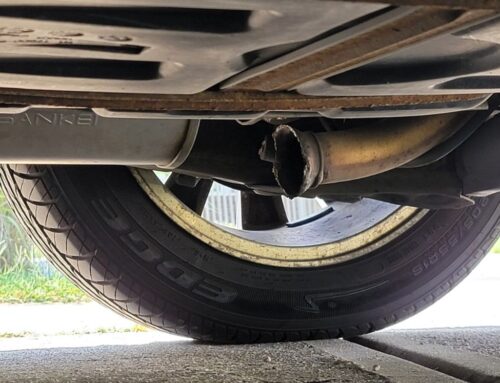

Too much heat under the bonnet can mean trouble, and the muffler is often right in the middle of it.
Drivers notice a strong smell, feel heat from the undercarriage, or hear odd noises and wonder what’s really going on.
It’s not just about comfort; excessive muffler heat can damage your vehicle, reduce fuel efficiency, and pose safety risks.
How hot does a muffler get?
A muffler can reach between 300°C to 427°C (572°F to 800°F), depending on how the vehicle is driven, engine size, and the condition of the exhaust system.
High-performance engines and long highway trips can push those temperatures even higher. Mufflers often get just as hot as the catalytic converter sitting before them.
How Hot Does A Muffler Get – A Quick Answer
Mufflers work in tough conditions. They sit at the end of the exhaust system, handling a constant stream of hot gases from the engine.
On average, the temperature inside a muffler ranges between 300°C and 427°C, but it can go higher in performance vehicles or during intense driving.
Quick acceleration, towing, or steep climbs make the engine work harder, which raises exhaust gas temperature.
That heat flows through the system, building up inside the muffler. Because it holds gases for longer than the catalytic converter, the muffler often ends up hotter.
While it’s built to handle the load, neglecting maintenance or using poor fuel can lead to damage. Understanding this heat range helps prevent failures and keeps your vehicle running reliably.
Need a Reliable Muffler Expert in Phoenix? Trust Apache Muffler to Get It Done Right
If you’re in Phoenix, Arizona, and dealing with a hot, noisy, or failing muffler, it’s time to let the experts at Apache Muffler take a look.
We’ve built our reputation on honest service, expert workmanship, and getting your vehicle back on the road with confidence.
Whether it’s overheating, rust, or just wear and tear, our team knows exactly what to do. We handle everything from diagnostics to full replacements with no guesswork, just proven results.
Don’t wait for a minor issue to turn into a costly problem. Call us today at (480) 964-9272 or visit our Contact Us page to book your service.
How Does a Muffler Work?
A muffler is a vital component of a vehicle’s exhaust system, designed to reduce noise produced by the engine’s exhaust gases.
It achieves this by using a series of chambers and perforated tubes that reflect and absorb sound waves, dampening the noise before it exits the tailpipe.
Beyond noise reduction, mufflers also play a role in directing exhaust gases safely out of the vehicle.
By ensuring the efficient expulsion of these gases, mufflers help maintain optimal engine performance and fuel efficiency.
Regular maintenance of the muffler ensures the vehicle runs smoothly and complies with noise regulations.
What Are the Temperature Ranges of a Muffler?
Mufflers are exposed to high temperatures due to the hot exhaust gases passing through them.
Under normal operating conditions, a muffler’s temperature can range between 300°F to 500°F (149°C to 260°C).
However, during extended high-speed driving or under heavy engine loads, temperatures can escalate to 800°F (427°C) or higher.
It’s crucial to note that these temperatures can vary based on factors such as engine size, driving habits, and the vehicle’s overall condition.
High-performance vehicles, for instance, may experience even higher muffler temperatures due to increased exhaust flow and engine output.
What Is the Environmental Impact of a Hot Muffler?
An overheating muffler can have several environmental implications:
- Increased Emissions: Overheating can damage the catalytic converter, reducing its efficiency in filtering harmful pollutants, leading to higher emissions.
- Fire Hazard: Extremely hot mufflers can ignite dry vegetation or flammable materials if the vehicle is parked over them, posing a fire risk.
- Reduced Fuel Efficiency: An overheating exhaust system can affect engine performance, leading to increased fuel consumption and higher carbon dioxide emissions.
Maintaining the exhaust system in good condition is essential not only for vehicle performance but also for environmental protection.
What Makes a Muffler Overheat?
Several factors can lead to a muffler overheating:
- Restricted Exhaust Flow: Blockages or clogs in the exhaust system can cause exhaust gases to accumulate, increasing pressure and temperature within the muffler.
- Engine Misfires: Unburned fuel entering the exhaust system can ignite within the muffler, causing excessive heat.
- Lean Air-Fuel Mixture: An imbalance in the air-fuel ratio can lead to higher combustion temperatures, subsequently raising exhaust temperatures.
- Faulty Catalytic Converter: A malfunctioning catalytic converter can cause exhaust gases to back up, increasing the temperature in the muffler.
- Aggressive Driving Habits: Frequent rapid acceleration and high-speed driving can elevate exhaust temperatures, putting additional heat stress on the muffler.
Addressing these issues promptly is essential to prevent damage to the muffler and other components of the exhaust system.
What Factors Affect the Hotness of a Muffler?
Many elements influence how hot a muffler can get during regular operation. These factors vary from mechanical to environmental and even driver-specific conditions. Understanding these can help keep your exhaust system running efficiently and safely.
1. Engine Size and Power Output
Bigger engines naturally generate more power and burn more fuel. As a result, they produce a larger volume of exhaust gases. The higher the flow and force of these gases, the hotter the exhaust system becomes. A vehicle fitted with a turbocharged or high-performance engine will typically run hotter than one with a smaller, less powerful setup. The muffler absorbs and handles this intense thermal load, which leads to elevated temperatures inside the unit.
2. Driving Conditions
The way a vehicle is driven has a direct impact on how hot the muffler gets. Driving in traffic, where frequent stopping and starting are common, forces the engine to work harder under less-than-ideal conditions. Likewise, towing heavy loads or driving uphill puts extra pressure on the engine. This creates more heat, which travels through the exhaust and into the muffler. Longer high-speed trips on the highway also keep exhaust temperatures elevated for extended periods.
3. Ambient Temperature
The weather plays a bigger role than most drivers realize. In warmer climates or during hot seasons, the air around the exhaust system is already heated. This reduces the system’s ability to cool down between drives. On the other hand, cooler environments allow for quicker heat dissipation. Vehicles driven during the peak of summer or in very hot areas tend to have consistently higher muffler temperatures because of the reduced thermal relief.
4. Exhaust System Design
The materials and structure of the exhaust system determine how well heat is managed. Systems made with stainless steel or other heat-retaining materials will stay hotter longer. The shape, length, and diameter of the pipes also matter. Shorter, more direct systems often have less surface area to release heat, while those with performance enhancements like free-flow mufflers or larger piping may move gases quickly but retain more heat in the process.
5. Vehicle Maintenance
A well-maintained vehicle runs cooler. When components like spark plugs, oxygen sensors, and catalytic converters are working correctly, the combustion process remains efficient. However, if any part of the system starts failing, it can cause a chain reaction. Unburnt fuel might enter the exhaust, raise temperatures, and put extra stress on the muffler. Routine servicing ensures that heat levels stay within a safe and expected range.
6. Fuel Quality
Not all fuels are equal. Using low-quality or contaminated fuel can affect how completely the engine burns it. Incomplete combustion leads to hotter exhaust gases and more strain on the entire exhaust system. This kind of fuel may also leave behind residue, which contributes to blockages or inefficiencies that cause overheating. Choosing high-grade fuel can help reduce stress on the muffler and keep temperatures controlled.
7. Aftermarket Modifications
Many drivers choose to customize their vehicles for better performance or sound. However, removing the catalytic converter or installing high-flow exhaust parts can alter the balance of the system. These changes may increase the speed of gas flow but also reduce heat resistance. In some cases, it can cause the muffler to handle temperatures far beyond what it was designed for. While modifications can enhance performance, they often come at the cost of higher exhaust heat.
4 Signs of a Malfunctioning Muffler
Recognizing the signs of a faulty muffler can prevent further damage and ensure vehicle safety:
- Excessive Noise: A damaged or rusted muffler can produce loud noises, indicating holes or cracks that compromise its noise-dampening capabilities.
- Decreased Fuel Efficiency: A malfunctioning muffler can disrupt the exhaust flow, causing the engine to work harder and consume more fuel.
- Unpleasant Odors: If exhaust fumes are leaking due to a faulty muffler, you may notice strong, unpleasant smells, which can be hazardous if inhaled.
- Visible Rust or Holes: Physical inspection revealing rust, holes, or other damage on the muffler indicates it’s time for a replacement to maintain optimal vehicle performance.
Summing Up
Heat in the exhaust system is normal, but when the muffler gets too hot, it’s time to look closer.
Knowing what causes the rise in temperature, engine size, fuel quality, modifications, or poor maintenance can save you from costly damage.
If your car smells off, feels sluggish, or makes too much noise, don’t ignore it. These are often signs that the muffler isn’t coping well with the heat.
Regular checks, clean fuel, and mindful driving habits go a long way. A healthy muffler means better performance, longer vehicle life, and less impact on the environment.