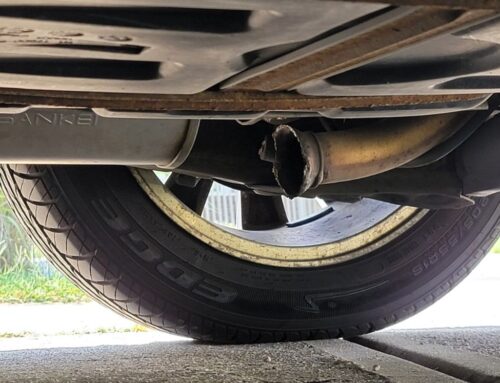

When your muffler suddenly drops off mid-drive, your first thought might be panic. It’s loud, embarrassing, and it feels unsafe.
But the real worry comes from not knowing what to do next and whether you’re about to damage your car or break the law.
The muffler fell off Can I still drive?
You can drive a short distance if the muffler is completely detached, but it’s risky. The car becomes louder, exhaust fumes may leak near the cabin, and you could face fines or mechanical issues. It’s best to fix it promptly.
Muffler Fell Off Can I Still Drive? – A Brief Overview
Yes, you can drive if your muffler has fallen off, but only for a short distance and only if the rest of your exhaust system is intact.
It’s not a long-term solution and should be treated as a temporary option to get you safely to a repair shop.
The noise alone can attract attention from police or passers-by. More importantly, exhaust fumes like carbon monoxide may enter the cabin, creating a health risk.
There’s also the chance of damaging your engine or burning more fuel due to altered backpressure.
If you’re not sure whether it’s safe or if the muffler is dragging, it’s smarter to call for a tow. Acting fast can save your car, your wallet, and possibly your health.
Need Muffler Help in Phoenix? Trust Apache Muffler to Get You Back on the Road
If your muffler has fallen off or you’re hearing unusual noise from your exhaust, don’t wait for bigger problems.
At Apache Muffler in Phoenix, Arizona, we handle everything from quick repairs to full exhaust system replacements with expert care.
Our team works fast, gets it done right, and always keeps your safety first. We’ve been serving the Phoenix community with honest, affordable service that drivers trust. Whether it’s a simple fix or a full replacement, we’ve got you covered.
Call us at (480) 964-9272 or visit our Contact Us page to book your appointment today.
Is It Safe to Drive When a Muffler Falls Off?
Driving without a muffler is not safe. The muffler plays a crucial role in directing exhaust gases away from the vehicle and reducing noise.
Without it, toxic fumes like carbon monoxide can enter the cabin, posing serious health risks.
Additionally, the increased noise can be a distraction and may violate local noise ordinances. It’s best to have the muffler repaired or replaced as soon as possible.
Reasons Why a Muffler Fell Off
A muffler doesn’t just fall off without warning, there’s always a cause behind it. Understanding what leads to this issue can help you spot the signs early and avoid future trouble. Below are the most common reasons a muffler detaches from a vehicle:
- Rust and Corrosion: Over time, moisture, salt, and road grime eat away at the metal. Mufflers and exhaust pipes are especially prone to rust, which weakens joints and brackets. Once corroded, the muffler may break loose without much warning.
- Loose or Broken Mounting Brackets: The muffler is held in place by rubber hangers, clamps, and metal brackets. If these parts wear out or break, the muffler has nothing to support it. This often causes it to drag or completely detach while driving.
- Road Damage: Driving over potholes, debris, or uneven terrain can damage the underside of your vehicle. A hard impact may crack or knock loose the exhaust components, especially if your car sits low to the ground.
- Poor Installation or Repairs: If a muffler or exhaust was installed improperly or with low-quality parts, it’s more likely to fall off. Faulty welds or loose clamps won’t hold over time, especially under the pressure and heat of daily driving.
- Excessive Vibration: Worn engine mounts or a misaligned exhaust system can create unusual vibration, causing stress on the muffler over time. These vibrations may loosen bolts or wear out hangers until the muffler eventually drops off.
- Heat Expansion and Contraction: The exhaust system constantly heats up and cools down. Over time, this cycle can weaken metal parts, making them brittle or cracked. Once weakened, the muffler may snap off, especially during a long drive.
- Age and Wear: Like any other car part, mufflers have a lifespan. On older vehicles, years of heat, pressure, and exposure to the elements can cause the system to deteriorate. If it hasn’t been inspected in a while, the risk of it falling off increases.
Risks of Driving When a Muffler Falls Off
Driving without a muffler may seem harmless at first, especially if the vehicle is still moving. But it’s not just about noise. It can create serious safety, legal, and mechanical problems that can cost you more than just repairs. Below are the key risks you need to know:
1. Carbon Monoxide Poisoning
When your muffler falls off, the exhaust system can no longer guide harmful gases safely away from the cabin. This creates a real threat of carbon monoxide seeping into the vehicle’s interior. You may not notice it right away, it’s odorless and invisible, but it’s extremely dangerous.
Even a short drive without a muffler can expose you to symptoms like nausea, dizziness, and blurred vision. In extreme cases, prolonged exposure can lead to unconsciousness or death.
2. Legal Penalties
Arizona has strict vehicle noise regulations. A muffler’s primary function is to dampen sound.
Without it, your car becomes excessively loud, and that can easily draw police attention. You might end up with a defect notice, a fine, or points on your license.
Many drivers mistakenly believe they can avoid fines if the car is still running well. But in reality, even a fully functional engine can get you into legal trouble if it’s too loud.
3. Engine Damage
Your exhaust system doesn’t just carry fumes, it helps the engine run smoothly. The muffler contributes to maintaining correct backpressure, which keeps exhaust gases moving efficiently.
If you lose that backpressure, the engine may have to work harder to perform the same tasks.
Over time, this strain can lead to engine overheating, misfiring, or even a blown head gasket.
4. Increased Noise Pollution
A car without a muffler is loud, uncomfortably loud. The engine noise becomes raw, unfiltered, and hard to ignore. This doesn’t just irritate you; it affects everyone within earshot.
More than just an annoyance, this level of sound can create tension in residential areas and lead to complaints from neighbors or even noise violation notices.
Law enforcement may treat your vehicle as unroadworthy, even if it’s technically still operable.
5. Reduced Fuel Efficiency
When your muffler is missing, it affects the exhaust flow. That may seem like a small thing, but it creates an imbalance in the combustion cycle.
The engine has to burn more fuel to maintain power, and that means you’ll spend more money at the pump.
Drivers on various auto forums and repair sites often report noticeable fuel consumption increases within days of muffler issues.
If left unfixed, this not only hurts your budget but also contributes to more frequent maintenance needs.
6. Environmental Impact
A functioning muffler works in tandem with other emission control systems to filter and direct pollutants.
When it’s gone, your car might release higher concentrations of harmful gases, including hydrocarbons, nitrogen oxides, and carbon monoxide.
This has real consequences. A broken or missing muffler can push your car out of emissions compliance, especially in areas that require regular environmental testing. You’re not just hurting your car, you’re adding to air pollution.
7. Potential for Further Damage
When a muffler falls off, it often drags behind the car or detaches violently. This action can damage the exhaust pipe, hangers, sensors, or even the undercarriage. That means a simple fix becomes a complex and expensive job.
If the exposed exhaust pipe comes into contact with road debris or water, you risk corrosion, cracking, or breakage along other sections of the system.
Left unchecked, this chain reaction leads to bigger, more expensive repairs, often requiring full replacement of the exhaust system.
What to Do When a Muffler Falls Off?
A muffler falling off is more than just an inconvenience. It can lead to legal issues, safety hazards, and damage to your vehicle. Acting fast can help you avoid expensive repairs and protect your safety. Follow this practical step-by-step guide to handle the situation the right way.
1. Pull Over Safely
As soon as you hear loud exhaust noise or feel vibrations, find a safe place to stop. Whether you’re on a highway or in a residential area, safely steer your car off the road. Turn on your hazard lights and avoid driving any further until you’ve assessed the situation.
If you continue driving with a loose or dragging muffler, you could damage the exhaust pipe or underbody. Also, pulling over quickly helps reduce the risk of further harm to your vehicle or endangering other drivers on the road.
2. Avoid Touching the Muffler
Mufflers operate at high temperatures. After detachment, it may still be extremely hot, hot enough to cause burns if you touch it. Do not attempt to move, hold, or pick up the muffler immediately after stopping.
Let the metal cool down before you inspect it. Burns from mufflers are common but easily avoidable.
If the muffler is completely detached and still on the road, use gloves or a tool to move it after it’s cooled.
3. Check for Damage
Once it’s safe to approach, examine the underbody of your vehicle. Look for broken hangers, snapped bolts, or torn metal near the muffler area.
Also, check the surrounding exhaust components, pipes, heat shields, and brackets for signs of damage.
You don’t need to be a mechanic to spot trouble. Any part hanging too low, dragging, or appearing bent needs attention.
If you see fluid leaks, exposed wires, or broken mounts, avoid driving and arrange professional help immediately.
4. Secure the Muffler (If Possible)
If the muffler is still attached to the exhaust pipe but hanging loose, you can temporarily secure it using metal wire, heat-resistant straps, or exhaust clamps. This short-term fix can help you get to a repair shop safely without risking further damage.
However, avoid makeshift fixes using string or plastic, they can melt or snap due to heat. The goal is not a permanent repair, but to prevent the muffler from dragging or falling completely off during the drive to the workshop.
5. Drive to a Repair Shop
If the muffler is either fully removed or safely secured, and the car still drives normally, you can continue to the nearest licensed mechanic or muffler repair center. Make sure to keep windows open for ventilation in case there are exhaust leaks.
Choose a reputable shop that offers exhaust system checks. An experienced technician can inspect the full exhaust system, ensure proper backpressure, and replace or weld parts as needed.
Don’t delay, driving too long without a muffler puts your vehicle and your wallet at risk.
6. Consider Towing
If you’re not confident in the safety of driving, especially if the muffler is dragging, broken parts are exposed, or the car is making unusual sounds, call for a tow. A tow truck avoids the risks of roadside breakdowns or further damage to the car.
Towing might seem like an added cost, but it can save you from bigger expenses caused by a snapped exhaust pipe or engine trouble.
It’s also the best option if you’re in a remote location or if it’s nighttime and roadside visibility is poor.
Summing Up
A muffler falling off might seem minor at first, but it’s a signal that something’s gone wrong in your exhaust system.
While you may be able to drive a short distance, the risks from carbon monoxide exposure to legal trouble shouldn’t be ignored. Don’t try to patch things together with quick fixes or ignore the noise.
Instead, stop safely, inspect the damage, and get to a professional as soon as possible. If the situation feels unsafe, call for help. Your vehicle, your safety, and your peace of mind are all worth protecting.